 Business License
Advantages and Characteristics of Piston-Type Air Compressors
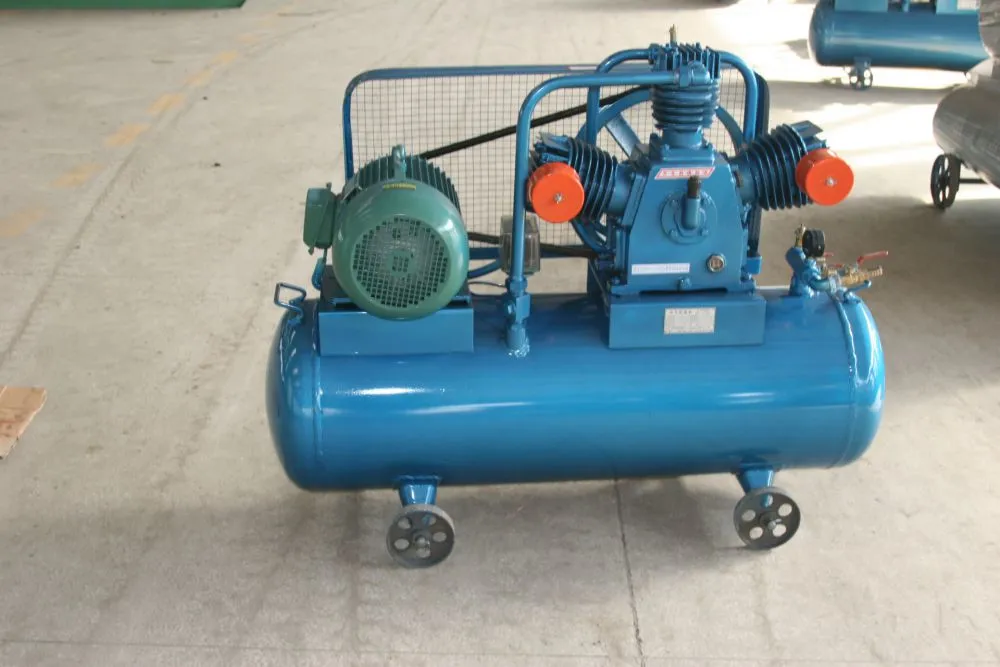
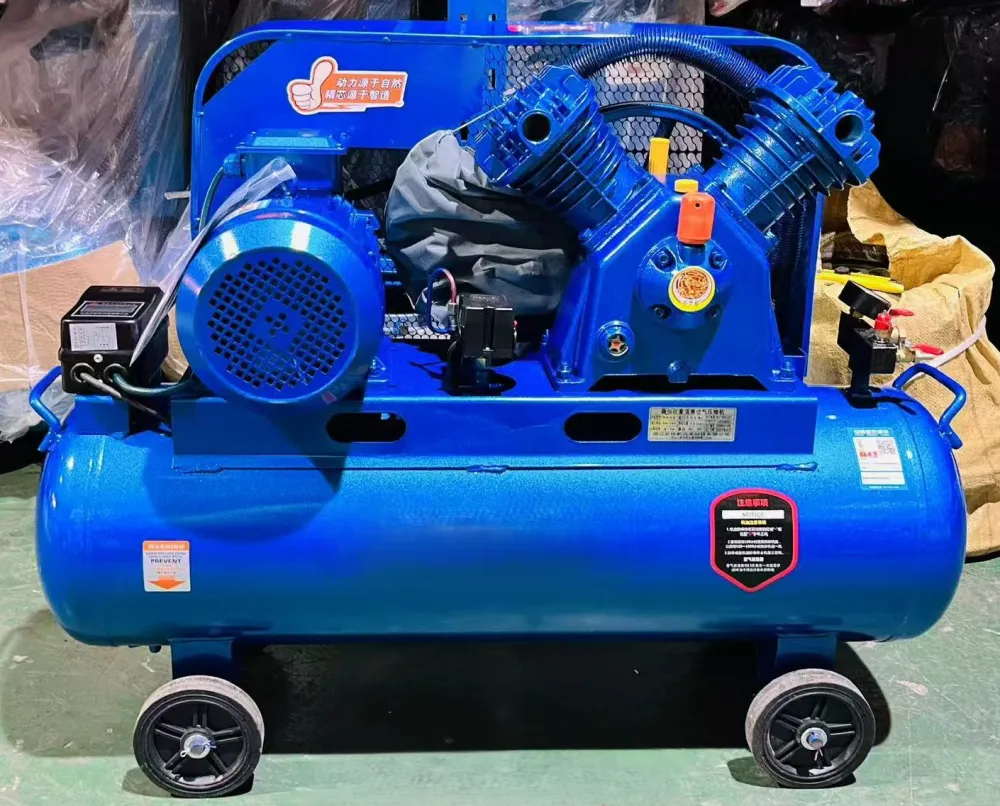
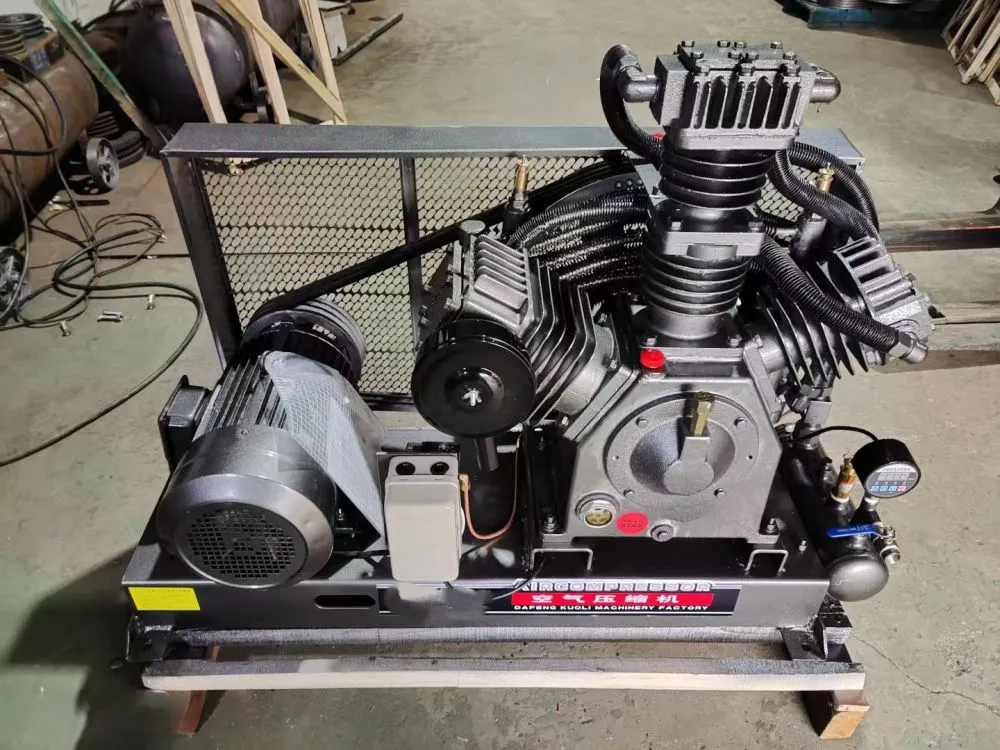
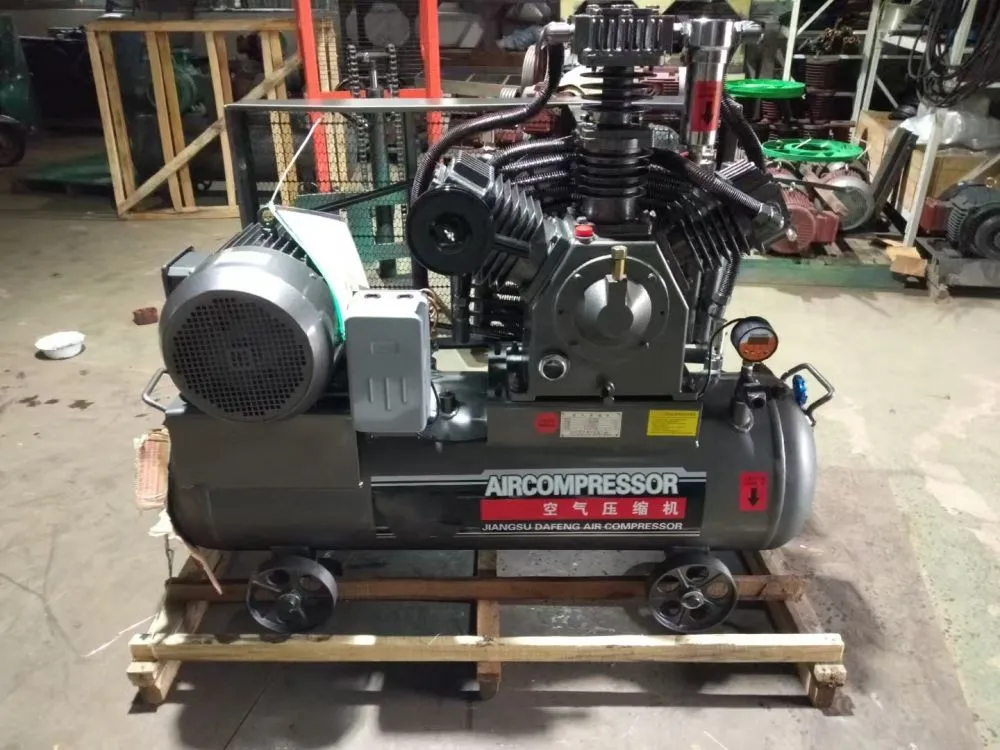
The piston-type air compressor is a reciprocating air compressor, which is suitable for applications requiring large capacity and high-pressure output, such as industrial production, mining operations, etc.
When the piston, which moves back and forth within the cylinder, moves to the right, the pressure in the left chamber of the cylinder is lower than the atmospheric pressure Pa. The suction valve opens, and external air is drawn into the cylinder. This process is called the compression process. When the pressure inside the cylinder is higher than the pressure in the output air pipeline p, the exhaust valve opens. The reciprocating motion of the piston is formed by the crank-slider mechanism driven by an electric motor. The rotational motion of the crank is converted into the reciprocating motion of the piston.
This type of compressor always has a residual volume at the end of the exhaust process. During the next suction, the compressed air in the residual volume expands, reducing the amount of air drawn in, lowering the efficiency, and increasing the compression work. The structure is simple, has a long service life, and is easy to achieve large capacity and high-pressure output.
Introduction:
When the piston, which moves back and forth in the cylinder, moves to the right, the pressure in the left chamber of the cylinder is lower than the atmospheric pressure pa. The intake valve opens, and external air is drawn into the cylinder. This process is called the compression process. When the pressure inside the cylinder is higher than the pressure in the output air pipe p, the exhaust valve opens. Compressed air is sent to the air intake pipe. This process is called the exhaust process. The reciprocating motion of the piston is formed by the crank-slider mechanism driven by an electric motor. The rotational motion of the crank is converted into the reciprocating motion of the piston.
Classification characteristics:
Piston-type air compressors are generally classified based on exhaust pressure, exhaust volume (cubic flow rate), structural type, and structural features.
1. According to the difference in exhaust pressure, they are divided into:
Low-pressure air compressor: Exhaust pressure ≤ 1.0 MPa
Medium-pressure air compressor: 1.0 MPa High-pressure air compressor: Compressor with exhaust pressure > 10 MPa and ≤ 100 MPa 2. According to the difference in exhaust volume, they are divided into: Small air compressor: 1 m³/min Medium air compressor: 10 m³/min Large air compressor: Exhaust volume > 100 m³/min The exhaust volume of an air compressor refers to the free gas flow rate in the intake state. Generally, it is stipulated that: when the shaft power is <15 kW and the exhaust pressure is ≤ 1.4 MPa, it is a micro air compressor. 3. According to the relative position of the center line of the cylinder to the ground, they are divided into: Vertical air compressor - The center line of the cylinder is vertically arranged with the ground. z Angled air compressor - The centerline of the cylinder forms a certain angle with the ground (V-shaped, W-shaped, L-shaped, etc.). Horizontal air compressor - The centerline of the cylinder is parallel to the ground, and the cylinders are arranged on one side of the crankshaft. For dynamic balance air compressors - The centerline of the cylinder is parallel to the ground, and the cylinders are symmetrically arranged on both sides of the crankshaft. / X 4 According to structural characteristics, they are divided into: Single-acting - The gas is compressed only on one side of the piston. Double-acting - The gas is compressed on both sides of the piston. , F. H2 s; c0 z7 B Water-cooled type - The cylinder has a cooling water jacket and is cooled by water. Air-cooled type - The outer surface of the cylinder is cast with heat sinks and is cooled by air. Fixed type - The air compressor unit is fixed on the foundation. Mobile type - The air compressor unit is placed on a mobile device for easy relocation. Oil-lubricated - The cylinder is filled with oil for lubrication, and the moving mechanism is lubricated by a circulating oil system. Oil-free lubrication - The cylinder is not filled with oil for lubrication, and the piston and cylinder operate dry, but the transmission mechanism is lubricated by a circulating oil system. Full oil-free lubrication - The transmission mechanism of the cylinder is not lubricated with oil.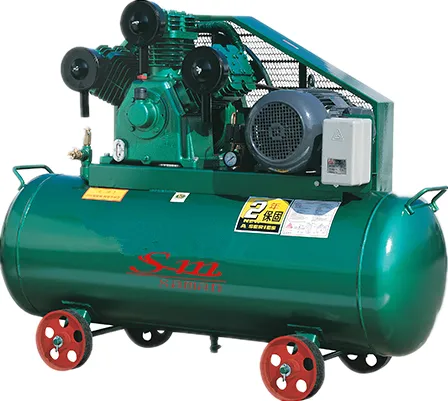
Recently Posted
-
PM VSD Single-stage vs Two-stage PM VSD Screw Air Compressors: How to Choose the Right Energy-saving
August 18, 2026IntroductionCompressed air serves as the power heart of all manufacturing plants, yet air compressors always rank among the bigges Read More
 -
Why PM VFD Screw Air Compressors Are the Best Investment for Modern Factories in 2026
August 10, 2026In modern industrial manufacturing, compressed air is regarded as the “fourth utility” after electricity, water, and gas. It power Read More
 -
Oil-free Silent Air Compressor, Clean Air Source for Industry
July 27, 2026Silent Oil-Free Air Compressor: Principle, Advantages and Industrial ApplicationIntroductionA silent oil-free air compressor is a Read More
 -
The working principle and technical application of high-pressure screw air compressors
June 25, 2026Comprehensive Analysis of High-Pressure Screw Air Compressors: Principles, Technology, Applications, and Selection & Maintenan Read More

Contact Us
Recommended Products
-
 Saman Permanent Magnet Variable-frequency Screw Air Compressor, Energy-saving, Low Power Consumption, Quiet and Environmentally FriendlyNegotiableMOQ: 1 Piece
 -
Saman Permanent Magnet Variable-frequency Screw Air CompressorNegotiableMOQ: 1 Piece
-
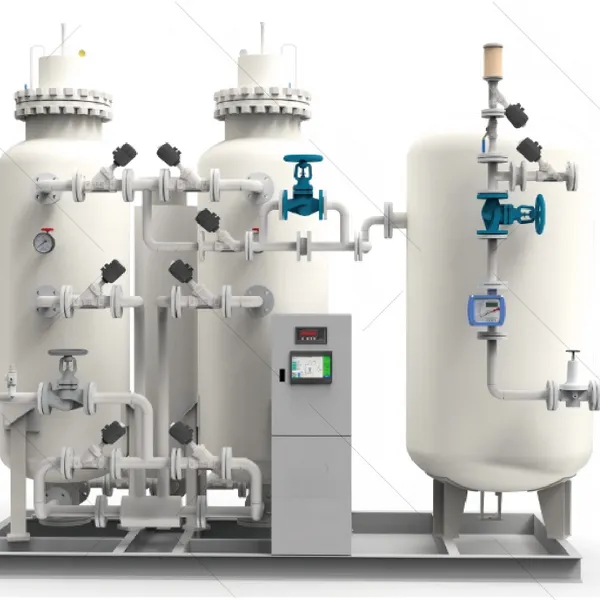
PSA Nitrogen Generator Industrial Nitrogen GeneratorNegotiableMOQ: 1 Piece
-
Silent Oil-free Air Compressor With Pure Gas Volume and 0 Oil ContentNegotiableMOQ: 1 Piece
-
Saman Portable Medical Oil-Free Silent Air CompressorM550—M1500*4NegotiableMOQ: 1 Piece
-
Saman High-Purity PSA Nitrogen Generator SMTYN01-SMTYN49NegotiableMOQ: 1 Piece
-
Saman Screw Air Compressor Manufacturer Directly Sells Products. There Are a Wide Variety of Models and Complete Series Available.NegotiableMOQ: 1 Piece
-
Saman Oil-free Vortex Air Compressor MW-11 - High-efficiency and Energy-saving Oil-free Air CompressorNegotiableMOQ: 1 Piece
-
Saman Oil-free Screw Air Compressor, Factory Direct Sales, Stable Quality, High Efficiency, and High Air OutputNegotiableMOQ: 1 Piece
-
Saman Permanent Magnet Variable-frequency Screw Air Compressor, Highly Efficient and Energy-savingNegotiableMOQ: 1 Piece
-
PSA Nitrogen Plant、Membrane Nitrogen Generator、Liquid Nitrogen Generator、Cryogenic Nitrogen PlantNegotiableMOQ: 1 Piece
-
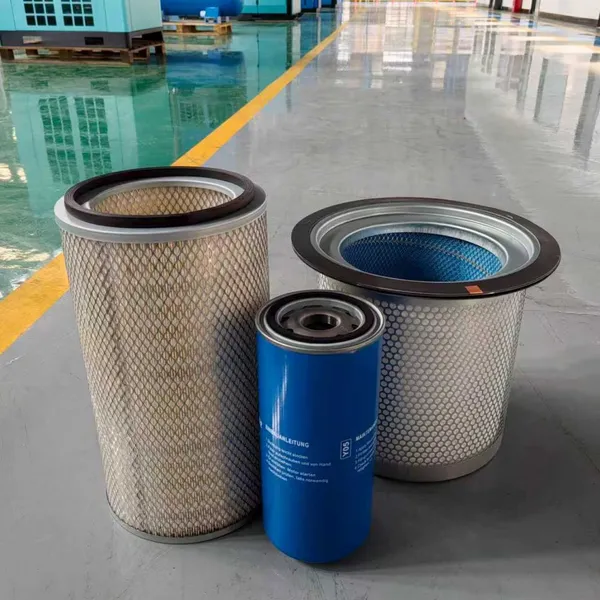
Screw Air Compressor Three Filters, Air Filter Element, Oil Filter Element, Oil Separation ElementNegotiableMOQ: 1 Piece
-
Saman Permanent Magnet Variable Frequency Screw Air Compressor MV-150ANegotiableMOQ: 1 Piece
-
Saman PSA Nitrogen Generator One-stop Service Provider for High-quality Nitrogen SolutionsNegotiableMOQ: 1 Piece
-
Saman Screw-type Air Compressor, Permanent Magnet Variable-frequency Air Compressor, Double-stage Compression Screw Air CompressorNegotiableMOQ: 1 Piece
-
The Saman Mobile Screw Air Compressors Can be Divided Into Diesel Mobile Screw Air Compressors and Electric Mobile Screw Air Compressors.NegotiableMOQ: 1 Piece
-
Saman Pressure Swing Adsorption Nitrogen Generator, One-Stop Service for High-Quality Nitrogen SolutionsNegotiableMOQ: 1 Piece
-
Saman Screw Air Compressor Specializes in Providing Complete Air Compressors and Three-filter Consumables.NegotiableMOQ: 1 Piece
-
Saman Screw Vacuum Pump, With a Complete Range and a Wide Variety of Options, Offering High Selectivity.NegotiableMOQ: 1 Piece
-
Saman Permanent Magnet Variable Frequency Screw Air Compressor MV-150A, With a Power of 110KW and a Flow Rate of 20m³NegotiableMOQ: 1 Piece