 Business License
Why do air compressors use two-stage compression?
The compressor has two stages, with the first stage suitable for generating high pressure and the second stage suitable for handling large gas volumes. Sometimes, multiple compressions are required. Why is staged compression necessary?
When the working pressure of the gas needs to be higher, using single-stage compression is not only uneconomical but sometimes even impossible to achieve. Therefore, multi-stage compression must be adopted. Multi-stage compression means that starting from the gas's intake, it undergoes several stages of pressure increase to reach the required working pressure.
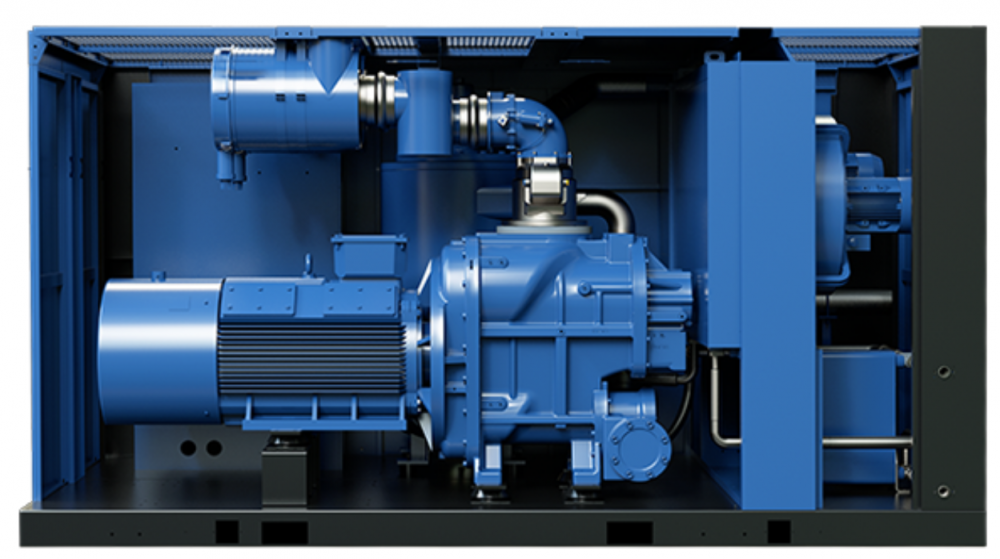
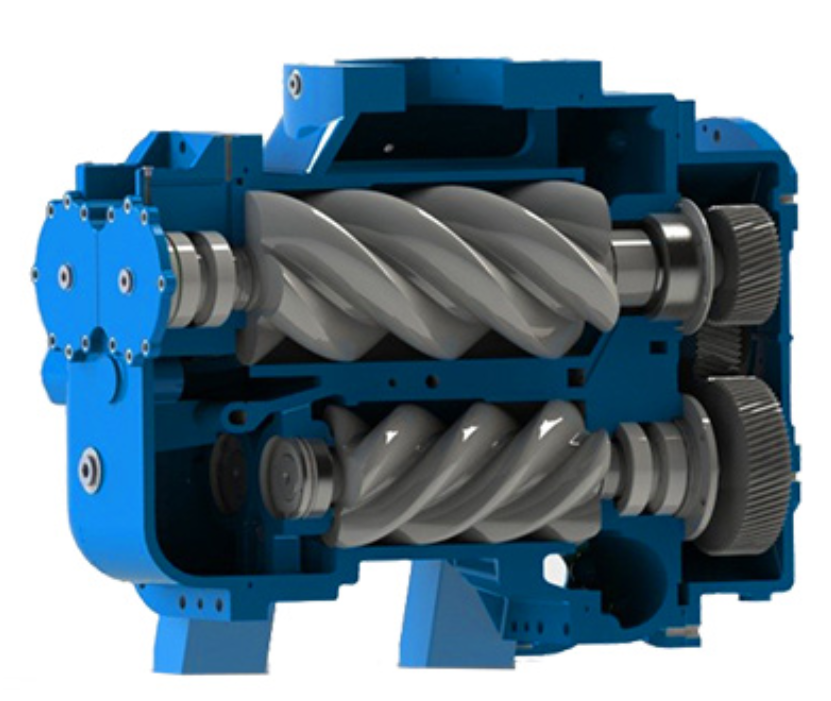
The principle of the two-stage compression screw air compressor is as follows: The air passes through the air filter and enters the first stage of compression. In the compression chamber, it mixes with a small amount of lubricating oil and is compressed to the inter-stage pressure. The compressed gas then enters the cooling channel and comes into contact with a large amount of oil mist, thereby significantly reducing the temperature. The cooled compressed gas then enters the second stage rotor for secondary compression, which is compressed to the final exhaust pressure. Finally, it is discharged from the compressor through the exhaust flange, completing the entire compression process. The principles of different designs are largely similar.
Reduce power consumption
By using multi-stage compression, through the method of setting intermediate coolers between stages, the compressed gas can first undergo isobaric cooling after the first stage compression to lower the temperature, and then enter the next cylinder. The temperature drops and the density increases, which makes it easier to further compress. Compared to single-stage compression, this can significantly reduce the power consumption. Therefore, under the same pressure, the working area for multi-stage compression is less than that of single-stage compression. The more stages there are, the more power is saved and the closer it approaches isothermal compression.
Note: The air compressor of the oil-injected screw air compressor is already very close to the constant temperature process. If the compression continues and the cooling continues after reaching the saturation state, condensate water will be formed. If this condensate water mixes with the compressed air and enters the oil separator (oil tank), it will emulsify the lubricating oil, affecting the lubrication effect. As the amount of condensate water increases, the oil level will also rise continuously. Eventually, the cooling oil will enter the system along with the compressed air, polluting the compressed air and causing serious consequences to the system.
Therefore, in order to prevent the formation of condensate water, the temperature inside the compression chamber must not be too low and must be higher than the condensation temperature. For example, for a compressor with an exhaust pressure of 11 bar (A) and a condensation temperature of 68℃, if the temperature inside the compression chamber is lower than 68℃, condensate water will precipitate. Therefore, the exhaust temperature of the oil-injected screw compressor cannot be too low, and the application of isothermal compression in oil-injected screw machines is restricted due to the problem of condensate water.
Improve the utilization rate of volume
Due to the reasons of manufacturing, installation and operation, the clearance volume within the cylinder is always inevitable. This clearance volume not only directly reduces the effective volume of the cylinder, but also the high-pressure gas remaining in it must expand to the intake pressure before the cylinder can start to inhale fresh gas. This is equivalent to further reducing the effective volume of the cylinder.
It is easy to understand that if the pressure is greater, the residual gas in the clearance volume expands more severely, and the effective volume of the cylinder becomes smaller. In the extreme case, even if the gas in the clearance volume completely expands within the cylinder, the pressure is still not lower than the intake pressure. At this point, it is impossible to continue inhaling and expelling, and the effective volume of the cylinder becomes zero. If multi-stage compression is used, the compression ratio of each stage is very small. The residual gas in the clearance volume can slightly expand to reach the intake pressure, which naturally enables the effective volume of the cylinder to increase, thereby improving the utilization rate of the cylinder volume.
Reduce exhaust temperature
The temperature of the gas discharged by the compressor increases as the compression ratio increases. The higher the compression ratio, the higher the exhaust temperature. However, excessively high exhaust temperatures are generally not allowed. This is because: In oil-lubricated compressors, the temperature of the lubricating oil will reduce its viscosity, accelerate wear, and when the temperature rises too high, it is prone to form carbon deposits in the cylinder and valves, further accelerating wear, and in some cases, even causing an explosion. Due to various reasons, the exhaust temperature is greatly limited, so multi-stage compression must be adopted to reduce the exhaust temperature.
Note: Grade-based compression can reduce the exhaust temperature of the screw air compressor and also enable the air compressor's thermodynamic process to approach a constant-temperature compression as closely as possible, achieving energy-saving effects. However, this is not absolute. Especially for oil-injected screw air compressors with an exhaust pressure below 13 bar, since they inject low-temperature cooling oil during the compression process, the compression process is already close to a constant-temperature process. There is no need for further secondary compression. If secondary compression is carried out on this basis while injecting oil for cooling, the structure will become more complex, the manufacturing cost will increase, and it will also increase the gas flow resistance and additional power consumption, which is somewhat not worth it. In addition, if the temperature is too low and condensate water forms during the compression process, it will deteriorate the system state and cause serious consequences.
Recently Posted
-
The functions of the three filters in screw air compressors
April 28, 2026The three functions of the screw air compressor filter (air filter, oil filter, oil-gas separator)1. Air filter (air filter)Core f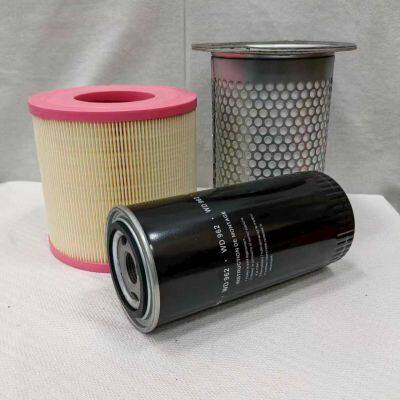 Read More
 -
The advantages of water-lubricated oil-free screw air compressors
April 23, 2026Water-lubricated oil-free screw air compressors use pure water as the lubrication, cooling and sealing medium instead of lubricati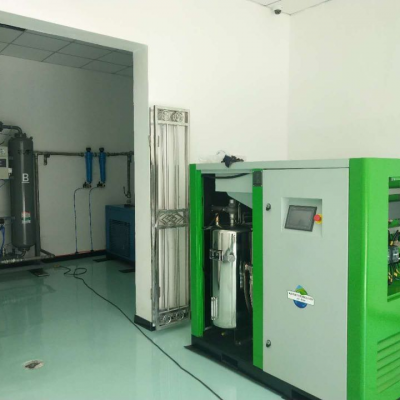 Read More
 -
What are the differences between single-stage and double-stage screw air compressors?
April 1, 2026First, the core conclusion: Single-stage = one compression, simple structure, low cost, suitable for low pressure and short-term u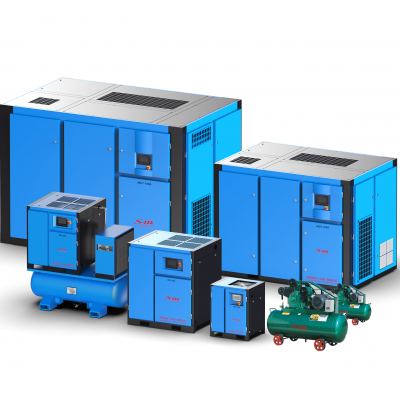 Read More
 -
Quick Reference List for Oil-Free Scroll Compressor Selection and Maintenance
March 23, 2026Oil-Free Vortex Air Compressor Quick Reference Guide (Full Version)1. Five Key Questions for Selecting the Right Model (One Step S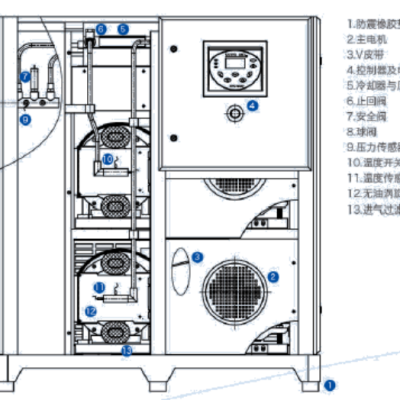 Read More

Contact Us
Recommended Products
-
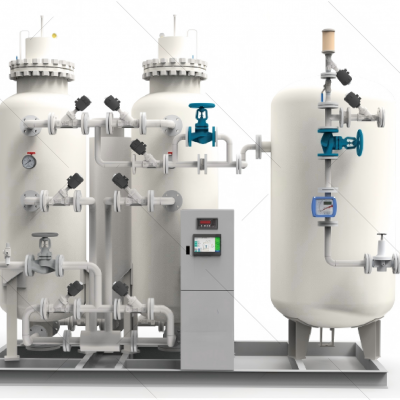
 Saman PSA Nitrogen Generator One-stop Service Provider for High-quality Nitrogen SolutionsNegotiableMOQ: 1 Piece
 -
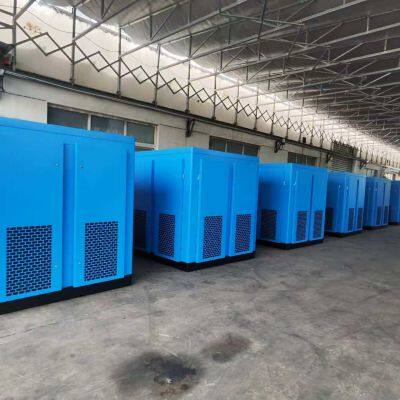
Saman Screw-type Air Compressor, Permanent Magnet Variable-frequency Air Compressor, Double-stage Compression Screw Air CompressorNegotiableMOQ: 1 Piece
-
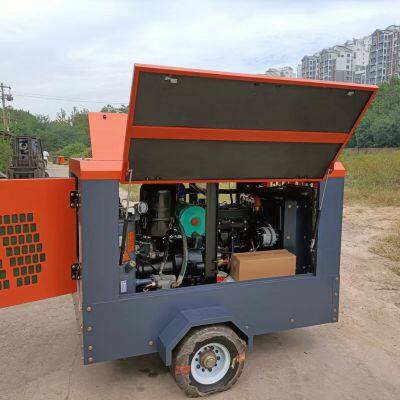
The Saman Mobile Screw Air Compressors Can be Divided Into Diesel Mobile Screw Air Compressors and Electric Mobile Screw Air Compressors.NegotiableMOQ: 1 Piece
-
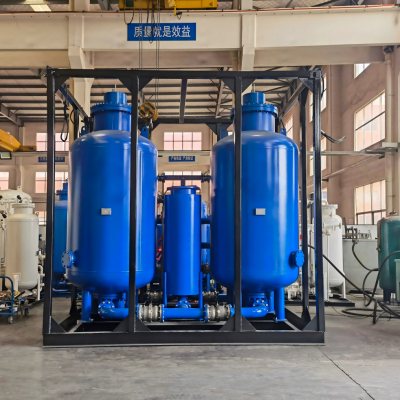
Saman Pressure Swing Adsorption Nitrogen Generator, One-Stop Service for High-Quality Nitrogen SolutionsNegotiableMOQ: 1 Piece
-
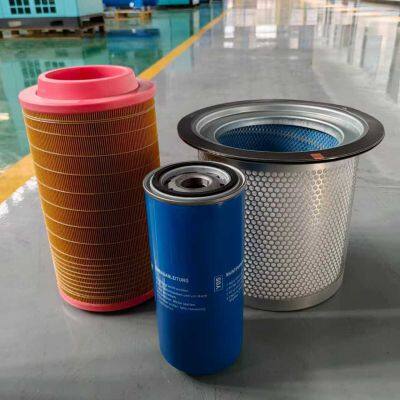
Saman Screw Air Compressor Specializes in Providing Complete Air Compressors and Three-filter Consumables.NegotiableMOQ: 1 Piece
-
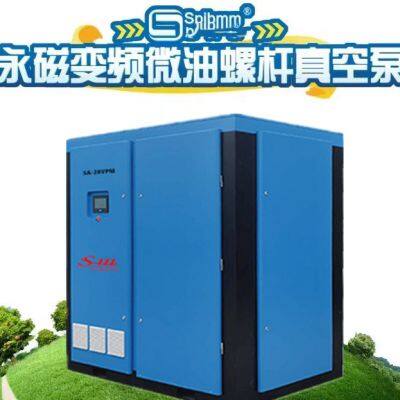
Saman Screw Vacuum Pump, With a Complete Range and a Wide Variety of Options, Offering High Selectivity.NegotiableMOQ: 1 Piece
-
Saman Permanent Magnet Variable Frequency Screw Air Compressor MV-150A, With a Power of 110KW and a Flow Rate of 20m³NegotiableMOQ: 1 Piece
-
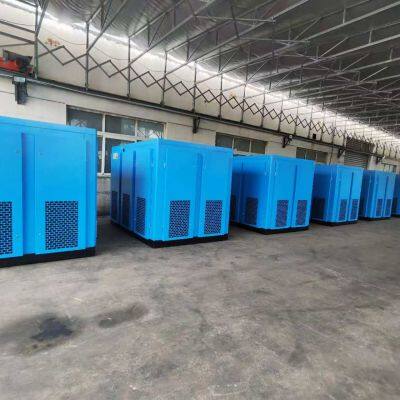
Saman Screw Air Compressor, Highly Efficient and Energy-saving, With a Wide Range of Models and Excellent Environmental Protection Features.NegotiableMOQ: 1 Piece
-
Screw Air Compressor Three Filters, Air Compressor Air Filter, Air Compressor Oil Filter, Air Compressor Oil-gas Separator CoreNegotiableMOQ: 1 Piece
-
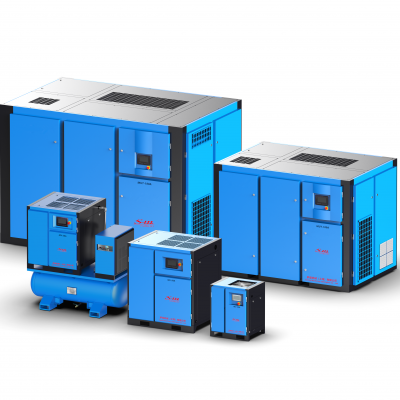
Saman Screw Air Compressor MV Permanent Magnet Variable Frequency Series, With Flow Rates Ranging From 1m³ to 60m³NegotiableMOQ: 1 Piece
-
Saman MW-2.2 Oil-free Vortex Air Compressor, Featuring High Output Capacity, Low Noise and Small Footprint.NegotiableMOQ: 1 Piece
-
The Saman Screw Air Compressor is Widely Used and Can be Applied to Any Industry, Such as Food, Machinery, Healthcare, Industry, Mining, Etc.NegotiableMOQ: 1 Piece
-
Saman Dual-stage Permanent Magnet Variable-frequency Air Compressor MUT-150A, Featuring High Gas Output, Low Rotational Speed and Low Noise.NegotiableMOQ: 1 Piece
-
Saman Water-lubricated/dry-type Oil-free Screw Air Compressor, With Zero Oil ContentNegotiableMOQ: 1 Piece
-
Saman Screw Air Compressor, Permanent Magnet Variable Frequency, High-efficiency Double-stage Air CompressorNegotiableMOQ: 1 Piece
-
Saman MW-5.5 Oil-free Vortex Air Compressor, Class 0 Level, Pure Oil-free, Ultra-quiet, Highly Energy-efficient, Low Maintenance, Stable and ReliableNegotiableMOQ: 1 Piece
-
Air Compressor Parts, Air Filter, Oil Filter, Oil Separation Core, Sensor, Frequency ConverterNegotiableMOQ: 1 Piece
-
Saman Two-stage Permanent Magnet Variable-frequency Screw Air Compressor MUT-180A, With a Power of 132KW and a Flow Rate of 27 Cubic Meters.NegotiableMOQ: 1 Piece
-
Saman Permanent Magnet Variable Frequency Screw Air Compressor, MV-100A, With a Power of 75KW, Highly Efficient and Energy-savingNegotiableMOQ: 1 Piece
-
Saman Oil-free Vortex Air Compressor, MW-3.7 High-efficiency Oil-free Vortex Air CompressorNegotiableMOQ: 1 Piece